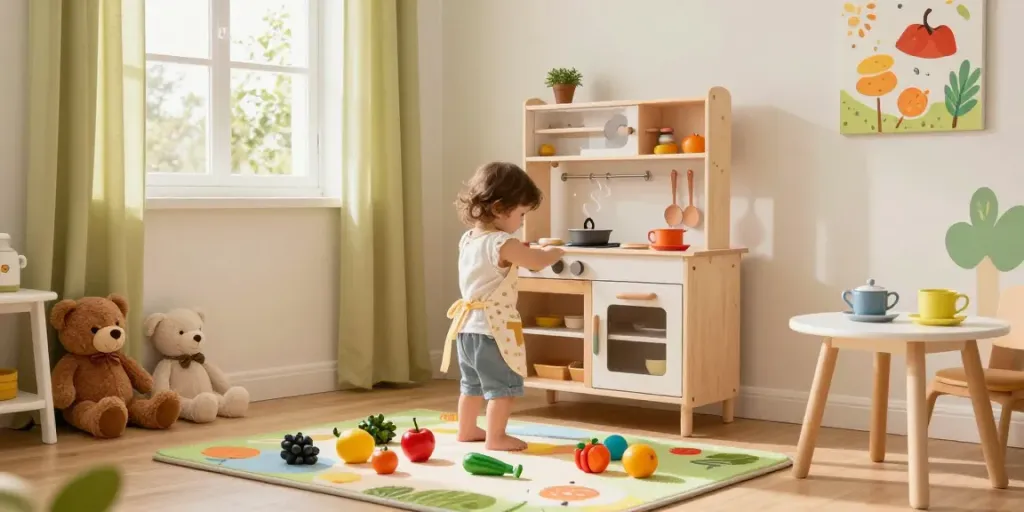
Understanding the Appeal of Wooden Kitchens
In recent years, the charm of wooden kitchens has captivated parents and children alike. These delightful playsets not only serve as an engaging tool for imaginative play but also embody the ethos of sustainability. With a wide range of styles and functionalities, wooden kitchens are more than just toys; they are an integral part of a child’s developmental journey, encouraging creativity and role-playing that mimic real-life scenarios. When exploring options, wooden kitchen sets provide comprehensive insights into how these toys can enrich a child's playtime.
Why Choose a Wooden Kitchen?
One of the primary reasons parents opt for wooden kitchens over plastic ones is their durability. Wooden kitchens often withstand the rigours of play better than their plastic counterparts. Moreover, they exude a timeless aesthetic that can complement various home décors. Unlike plastic toys, which can be perceived as disposable, wooden kitchens are often seen as heirloom pieces that can be passed down through generations.
Benefits of Wooden Kitchen Sets for Children
In addition to their longevity, wooden kitchen sets offer various developmental benefits for children:
- Encouraging Imagination: These kitchens provide a blank canvas for children to create their own culinary adventures, allowing them to role-play as chefs, servers, or diners.
- Social Skills Development: Playing with friends or siblings encourages communication and collaboration, critical skills for social development.
- Fine Motor Skills Enhancement: The interactions involved in setting up the kitchen or preparing pretend meals help improve dexterity and hand-eye coordination.
Eco-Friendly Aspects of Wooden Toys
As environmental concerns become more prevalent, many parents are seeking eco-friendly alternatives to traditional toys. Wooden kitchens are often crafted from sustainable materials, making them a better choice for environmentally-conscious families. Additionally, the manufacturing process for wooden toys typically emits fewer pollutants than plastic production, contributing to a healthier planet.
Designing Your Space with Wooden Kitchens
When integrating a wooden kitchen into your child's play area, consider both style and functionality. The design should harmonize with your existing decor while providing a stimulating environment for play.
Choosing the Right Style for Your Home
Wooden kitchens come in various styles, from rustic farmhouse designs to sleek modern aesthetics. When selecting a kitchen set, think about your home’s design elements. A farmhouse-style kitchen with pastel colours and whimsical designs may suit a vintage decor, while a contemporary setup with clean lines may be more appropriate for a modern space.
Integrating Wooden Kitchens into Modern Interiors
For parents who favour a minimalist approach, choosing a wooden kitchen that doubles as a decorative element can enhance the overall aesthetic of a room. Look for designs with neutral colours or natural finishes that blend seamlessly with your decor. Additionally, consider the kitchen's location to ensure it’s a focal point in the play area without overwhelming the space.
Best Accessories for a Complete Kitchen Setup
To create a fully immersive play experience, complement your wooden kitchen with a variety of accessories. Consider adding:
- Play Food: Wooden fruits, vegetables, and prepared meals can encourage educational play and discussion about nutrition.
- Utensils and Cookware: Small pots, pans, and utensils will enhance creative cooking scenarios and add realism to play.
- Aprons and Chef Hats: Dressing up can make role-play more engaging, stimulating children's imaginations further.
Educational Benefits of Play Kitchens
Play kitchens serve as more than just toys; they are tools for education and development.
Encouraging Imaginative Play and Creativity
Imaginative play is crucial in early childhood development. Wooden kitchens allow children to invent scenarios and narratives, fostering creativity. They can pretend to host a dinner party, serve customers in a restaurant, or prepare a gourmet meal, all of which enhances their imaginative skills.
Developing Life Skills Through Role-Playing
Role-playing in a kitchen setting teaches invaluable life skills. Children learn about food preparation, hygiene, and even basic math through measuring ingredients or counting food items. These experiences lay the groundwork for practical life skills that will be beneficial as they grow older.
Montessori Principles in Kitchen Play
Wooden kitchens often align with Montessori principles, which advocate for hands-on learning and independence. They encourage children to explore their interests in a controlled environment, promoting self-directed learning. The tactile nature of wooden toys also supports sensory development, making them an excellent choice for Montessori-inspired households.
Maintaining and Caring for Your Wooden Kitchen
To ensure your wooden kitchen remains a cherished part of your child's play, proper maintenance is essential. Regular care will prolong the life of the toy, providing endless hours of enjoyment.
Cleaning and Upkeeping Wooden Toys
Cleaning wooden toys involves simple methods to avoid damage. Use a damp cloth to wipe surfaces and mild soap for more stubborn stains, ensuring they’re safe for children. Avoid soaking wooden toys or using harsh chemicals, as this can damage the finish and the wood itself.
Repairing Minor Damages for Longevity
In case of minor scratches or dents, sanding the affected area lightly and applying a suitable wood conditioner can rejuvenate the toy’s appearance. For larger repairs, wood glue can effectively bond broken pieces back together, maintaining the toy’s functionality.
Safe Materials and Finishes to Look For
When selecting a wooden kitchen, always check that it is made from non-toxic materials and finishes. Look for certifications that indicate compliance with safety standards, ensuring the product is safe for your children’s playtime.
Future Trends in Wooden Kitchen Toys
As we progress towards 2026, the world of wooden kitchen toys continues to evolve, mirroring trends in sustainability and innovation.
Innovative Designs and Features Emerging in 2026
We are likely to see an increase in interactive features in wooden kitchens. Technologies such as smart accessories or augmented reality could be integrated into play kitchens, allowing children to engage in new, captivating ways. For example, a kitchen could come with apps that provide cooking tutorials or fun games that enhance learning.
Popularity of Customisable Wooden Kitchen Sets
Customisation options are predicted to rise in popularity, allowing families to tailor kitchen sets to their children’s preferences. Personalised elements, such as name engravings or interchangeable parts, can make the experience even more special.
How to Choose Sustainable Options for Your Family
As eco-consciousness grows, selecting sustainable wooden kitchens will become even more pivotal. Look for brands that prioritise sustainably sourced wood and eco-friendly finishes, ensuring your family’s playtime is both fun and responsible.
What Age is a Wooden Kitchen Good For?
Wooden kitchens cater to a broad age range. Typically, children from ages 3 to 12 benefit the most, as they encourage creative play during crucial developmental years. However, the designs can also enchant older children, making them versatile play items.
Are Wooden Kitchens on Trend?
The trend towards wooden kitchens is not a passing fad; they offer a tangible connection to hands-on play that digital toys cannot replicate. Their sturdy construction and aesthetic appeal ensure they remain a popular choice among parents.
What is the price range for a Wooden Kitchen?
Price points for wooden kitchens vary widely based on features and craftsmanship, ranging from £50 for simpler designs to £600 for high-end, feature-rich options. Investing in a quality wooden kitchen can pay off in terms of durability and enjoyment.